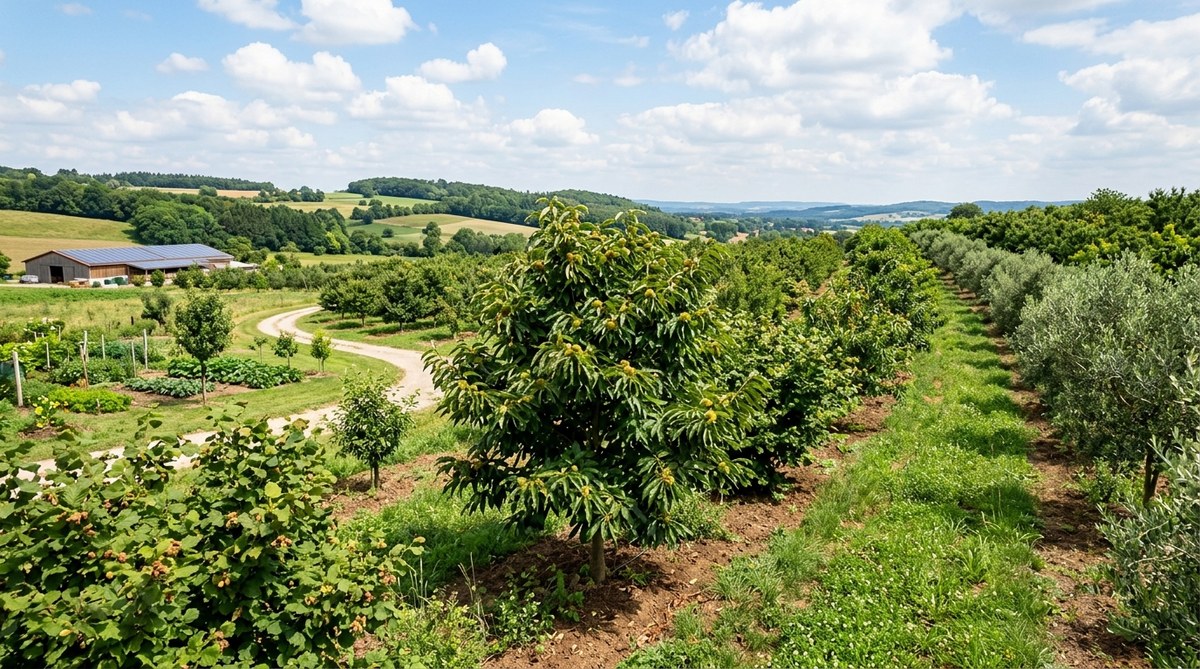
In a world of shifting weather patterns and tightening resource constraints, tree crops offer a steady path toward sustainable farming. They are more than ornamental shade or timber suppliers. When integrated thoughtfully into farms and landscapes, trees create resilient ecosystems that withstand droughts, floods, and market volatility. At TreeCrops.org we celebrate how agroforestry and cooperative farming models harness the environmental and social benefits of tree crops to build healthier farms and thriving rural communities.
Why Tree Crops Build Climate Resilience
Tree crops are uniquely suited to bolster resilience on working lands. Their deep roots tap water stored in soil layers beyond the reach of many annual crops, their canopies slow wind and reduce evaporation, and their perennial root systems stabilize soil structure. Beyond the physical protections, trees contribute to biodiversity, soil health, and diversified income streams that weather climate shocks more effectively.
The Core Resilience Benefits
- Deep rooting systems improve drought tolerance by accessing water and nutrients stored deeper in the soil.
- Canopy cover moderates microclimates, reducing heat stress on understory crops and livestock.
- Perennial woody crops stabilize soils, reducing erosion during heavy rains and floods.
- Increased biodiversity within agroforestry systems supports a healthier pest and disease balance.
- Long term carbon storage helps fight climate change while delivering co benefits for soil and water.
Examples of Climate Resilient Tree Crops
- Chestnuts: A hardy, nutrient rich staple in many temperate regions with long productive lifespans.
- Pecans and Walnuts: Drought tolerant in some zones, with edible yields that provide market opportunities.
- Hazelnuts: Shrub or small tree forms that fit well into mixed systems and diversify income.
- Persimmons and Pawpaws: Adapted to a range of soils and climate conditions, offering resilient fruit harvests.
- Nut and fruit trees that fit your climate zone: Selecting species with proven performance in your area is essential for success.
Agroforestry Designs that Strengthen Resilience
- Alley Cropping: Rows of trees with edible understory crops or cover crops between them create windbreaks, reduce soil moisture loss, and provide multiple harvests.
- Silvopasture: Integrates trees with grazing animals for shade, improved forage microclimates, and diversified outputs.
- Windbreaks and Perimeter Forests: Protect fields from wind extremes, reduce evapotranspiration, and improve soil moisture retention.
- Multi-strata Orchards: Canopy trees with shorter understory crops and dynamic polycultures mimic natural ecosystems and improve overall productivity.
- Riparian Buffers: Trees along waterways slow runoff, filter sediments, and support aquatic habitats, benefiting farm resilience and water quality.
Cooperative Farming Models that Amplify Resilience
- Shared processing and marketing cooperatives reduce risk for smallholders and improve bargaining power.
- Joint irrigation and water management pooling lowers costs and increases reliability.
- Cooperative planting schemes and shared nurseries reduce upfront risk and spread knowledge across members.
- Risk pooling and revenue sharing create safety nets that encourage long term investments in tree crops.
- Community supported agroforestry initiatives connect consumers with producers and reinforce local markets.
Designing Resilient Tree Crop Systems
Successful resilient systems are thoughtfully designed to match climate realities, soil conditions, and market opportunities. They balance production with biodiversity and water management.
Selecting the Right Species for Your Climate Zone
- Start with climate zone and seasonal patterns: heat, cold tolerance, frost dates, and rainfall distribution.
- Evaluate soil type, drainage, pH, and available nutrients to match species preferences.
- Consider disease and pest pressure in your area and choose resistant varieties when possible.
- Assess market demand and local uses to align production with local needs.
- Plan for diversity: mix drought tolerant and soil enriching species to spread risk.
Multi Layered Systems and Biodiversity
- Incorporate a mix of canopy trees, small fruit or nut trees, and understory crops to create resilient, overlapping harvests.
- Include pollinator-friendly species and flowering understories to support beneficial insects.
- Design spacing and pruning regimes to reduce disease pressure and optimize light distribution for understory crops.
Water Management and Soil Health
- Use mulch to conserve soil moisture and suppress weeds.
- Implement swales, contour rows, and gentle terracing to slow runoff and enhance infiltration.
- Establish shade and windbreaks to reduce evapotranspiration on hot days.
- Rotate short term crops with cover crops to maintain soil organic matter and nutrient cycling.
- Plan irrigation wisely, prioritizing redundancy and efficiency (drip systems, collector wells, reservoir storage).
Environmental and Economic Benefits of Tree Crops
Trees bring a suite of advantages that go beyond immediate harvests, linking ecological health with financial stability.
Environmental Upsides
- Carbon sequestration in biomass and soils contributes to climate mitigation and informs carbon accounting at the farm level.
- Improved water cycles through reduced runoff, enhanced infiltration, and healthier streams and wetlands nearby.
- Habitat creation for birds, pollinators, and beneficial soil organisms supports ecological balance.
- Erosion control and soil structure improvement lead to long term productivity and resilience.
- Noise and dust buffering in peri urban settings can improve farm working conditions and community relations.
Economic Upsides
- Diversified income streams from fruit, nuts, timber, and ecosystem services increase financial stability.
- Perennial crops require less annual input than some annual crops, lowering some operating costs over time.
- Longer productive lifespans of trees provide predictable returns and potential premium markets for high quality produce.
- Cooperative models magnify market access, reduce transaction costs, and share investment risks.
- Resilience translates into steadier yields and more reliable income during climate shocks.
Getting Started: A Practical Roadmap
If you are ready to explore tree crops on your land, follow a practical, step by step approach that respects your local climate and community goals.
Step 1: Assess your land and goals
- Map your soil types, drainage, sunlight, and wind patterns.
- Identify water resources and seasonal rainfall variability.
- Clarify your goals: diversification, soil health, family livelihoods, or community food security.
- Determine what resources you have for investment and what partnerships you may form.
Step 2: Map water and soil resources
- Create a simple water budget for your site to understand irrigation needs.
- Prioritize areas with better drainage for trees that tolerate wet soils and think about drier zones for drought tolerant species.
- Plan mulch and organic matter inputs to support soil microbial life and nutrient cycling.
Step 3: Choose initial tree crops and design
- Start with a small pilot plot that combines 2 to 3 tree crops with complementary understory crops.
- Design windbreaks or shelterbelts if your site experiences strong winds or intense sun.
- Include planned maintenance, pruning, and harvest schedules to avoid overextension.
Step 4: Build partnerships and funding
- Look for local cooperatives, extension programs, and agroforestry networks that can provide technical guidance and access to markets.
- Consider community supported agriculture or community funded agroforestry projects to reduce upfront costs.
- Explore grants or low interest loans that support sustainable land use and climate resilience.
Step 5: Start small and scale
- Establish a timeline with short term milestones and long term expansion goals.
- Monitor yields, soil health indicators, and pest or disease pressures.
- Reinvest profits into soil improvement, more diverse species, and cooperative initiatives.
Case Studies and Real World Inspirations
-
Temperate Chestnut Collaboratives: In several regions with cool winters and moderate summers, chestnut based systems are being integrated into diversified orchards, combining nuts with understory berries and pollinator habitat. These programs demonstrate how perennial tree crops can anchor farm diversity, reduce annual planting needs, and provide long term income.
-
Silvopasture Successes in Mild Climates: Farms integrating trees with grazing animals report benefits such as shade for livestock, improved forage microclimates, and added revenue from timber or nuts. Silvopasture can reduce heat stress in livestock and create stable habitats for beneficial insects and birds.
-
Urban and Peri Urban Agroforestry: City farms and community plots are testing pawpaw, mulberry, and small nut trees alongside vegetable beds. These projects show that climate resilience grows even in densely populated settings by improving microclimates, providing edible harvests, and building local food security networks.
Selecting Tree Crops for Your Climate Zone: A Quick Guide
- Climate compatibility: Choose species with proven performance in your region’s temperature range and rainfall pattern.
- Soil compatibility: Match soil texture, drainage, and pH with tree requirements; adjust with soil amendments as needed.
- Pest and disease resistance: Favor varieties with known resistance in your area to minimize chemical inputs.
- Market fit: Ensure there is local demand for the product, and consider value-added opportunities (processing, jams, dried products).
- Maintenance and longevity: Consider how much pruning, thinning, and care the trees will require over decades.
The TreeCrops.org Approach: Environment, Community, and Co-ops
TreeCrops.org emphasizes the environmental benefits of tree crops while highlighting cooperative farming models that strengthen communities. Our approach blends soil health, biodiversity, climate resilience, and equitable access to markets. We encourage farmers and land stewards to:
- Build diverse, multi-species systems that mimic natural ecosystems.
- Collaborate through local cooperatives to share equipment, nurseries, processing, and marketing.
- Invest in soil health, water management, and habitat creation as core resilience practices.
- Prioritize transparent decision making, fair governance, and shared benefits within farmer networks.
- Document outcomes to contribute to broader learning in the environmental benefits of tree crops.
Practical Tips for Farmers and Gardeners
- Start with a simple 2 to 3 species mix that complements each other and test on a small area before scaling.
- Use border plantings and hedgerows to create windbreaks that protect soil and crops.
- Establish a routine for pruning and maintenance to maintain tree health and productivity.
- Maintain soil organic matter with compost, cover crops, and minimal disturbance tactics.
- Engage neighbors and community groups in planning and operation to build local support.
Resources to Move Forward
- Local extension services and university agronomy departments can provide climate resilient planting guides and site specific recommendations.
- Agroforestry networks and cooperative farming groups offer shared nurseries, training, and market opportunities.
- Soil health and water management workshops can teach practical methods applicable to tree crop systems.
- Case studies and field notes from farmers implementing multi-layered systems can serve as valuable learning tools.
Final Thoughts
Tree crops hold a powerful promise for climate resilience. When thoughtfully integrated with soil health practices, biodiversity, and cooperative farming models, they become more than crops. They become scaffolds for resilient farms, vibrant rural economies, and healthier landscapes. If you are considering a shift toward tree crops on your land, approach it as a long term investment in both the environment and your community. Start small, partner with others, and plan for a future where agronomy and ecology work together to sustain livelihoods and ecosystems for decades to come.
TreeCrops.org is here to help you navigate the journey. Explore our resources, connect with cooperative networks, and learn how tree crops can become the cornerstone of resilient farming in your region.